

The future had to drive.
Gene led design engineering and construction of the functional hero car, translating the approved futuristic form into structure, systems, tooling, surfaces, and a driveable screen presence.
The legendary designer · engineer · builder
Cars were his canvas. Engineering turned them into legends.
The measure of the man
The rarest automotive talent is not imagining the impossible. It is knowing how to build it.
Legendary automotive designer Gene Langmesser has spent a career in that demanding middle ground, where an expressive line must become geometry, tooling, carbon composite, electronics, glass, suspension, paint, and finally a vehicle that moves under its own power.
Cars as canvas
Gene did not simply build vehicles. He gave ideas a body, a stance, and a presence.
Clay, composite, steel, glass, light, and motion became his materials. Each car was a new composition, and each impossible deadline was another blank canvas.


▶Watch video
▶Watch the Alpha
▶Play the reveal
▶Watch video
▶Rarer than a Ferrari
▶Watch videoThe E-Cite Motors chapter
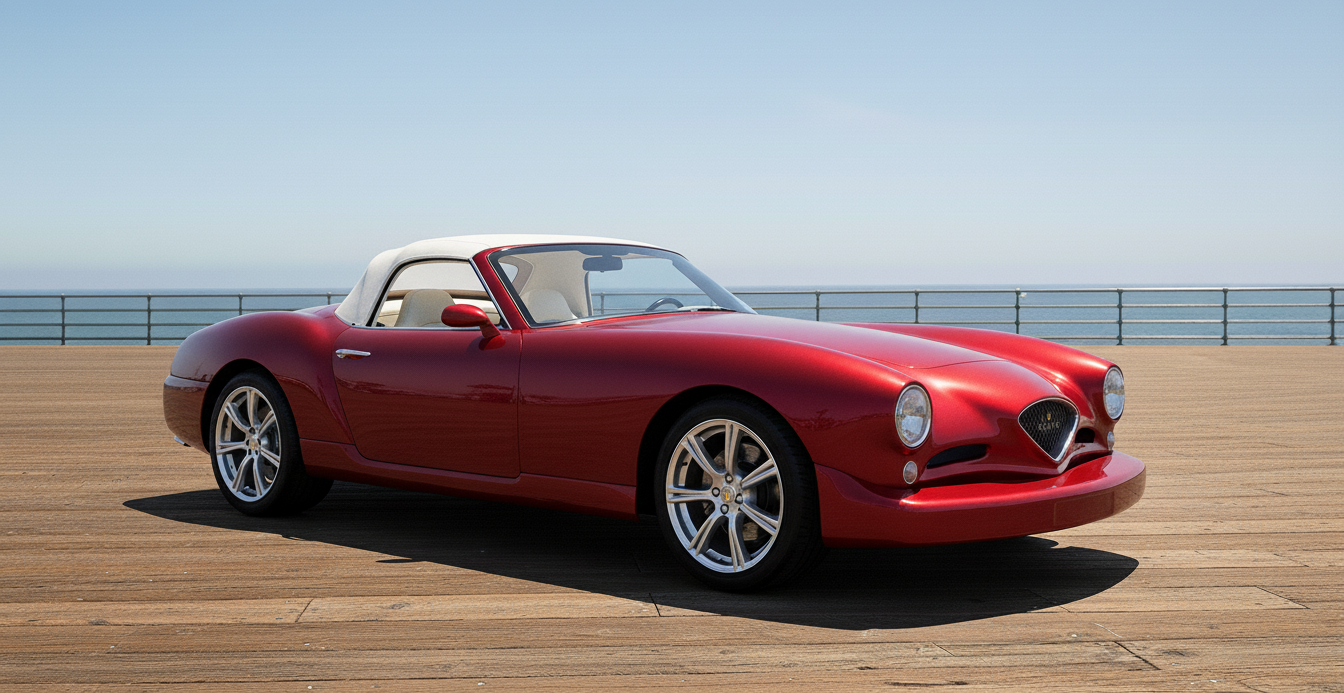
At E-Cite Motors, Gene’s design and engineering story continues through a modular chassis and driveline strategy created to support electric or internal combustion power. The current collection spans three distinct expressions.
A legendary life in motion
Detroit discipline. German precision. Hollywood scale. American coachbuilding.
THE FOUNDATION
Gene grew up inside Detroit car culture, learned drafting early, entered GM through Fisher Body, and pursued mechanical engineering with an emphasis on kinematics and physics. The instinct was already there: never stop at the drawing.
GM cooperative program · drafting · engineering
PORSCHE ENGINEERING
When a U.S. market problem resisted an easy answer, Gene was sent in. He redesigned rear lamp clips affected by heat, worked through the geometry of the 993’s wipers, and served as one of the lead design engineers on the earliest Panamera concepts and designs.
Problem solving under pressure · early Panamera development
BATMAN & ROBIN
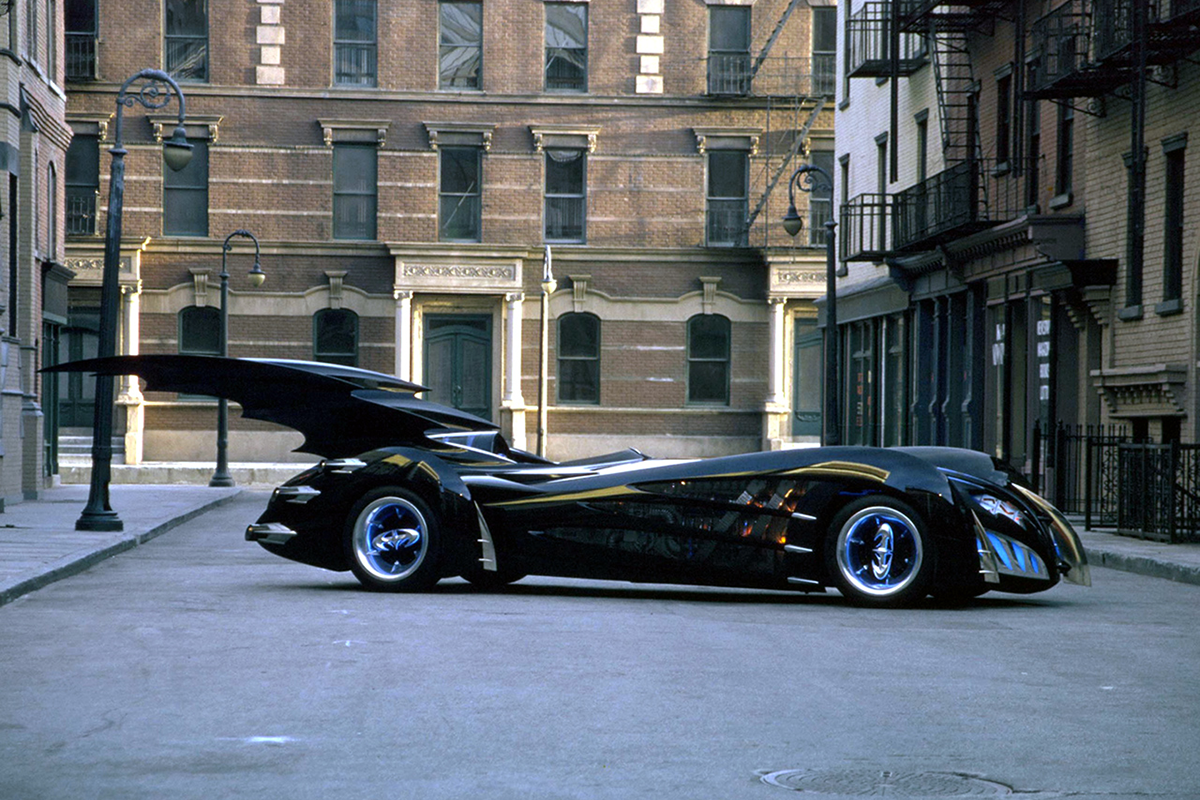
Gene built the Batmobile driven by George Clooney at full scale, working within the TransFX physical construction effort that turned an extreme production design into a working screen vehicle.
Hero vehicle at full scale · TransFX build
MINORITY REPORT
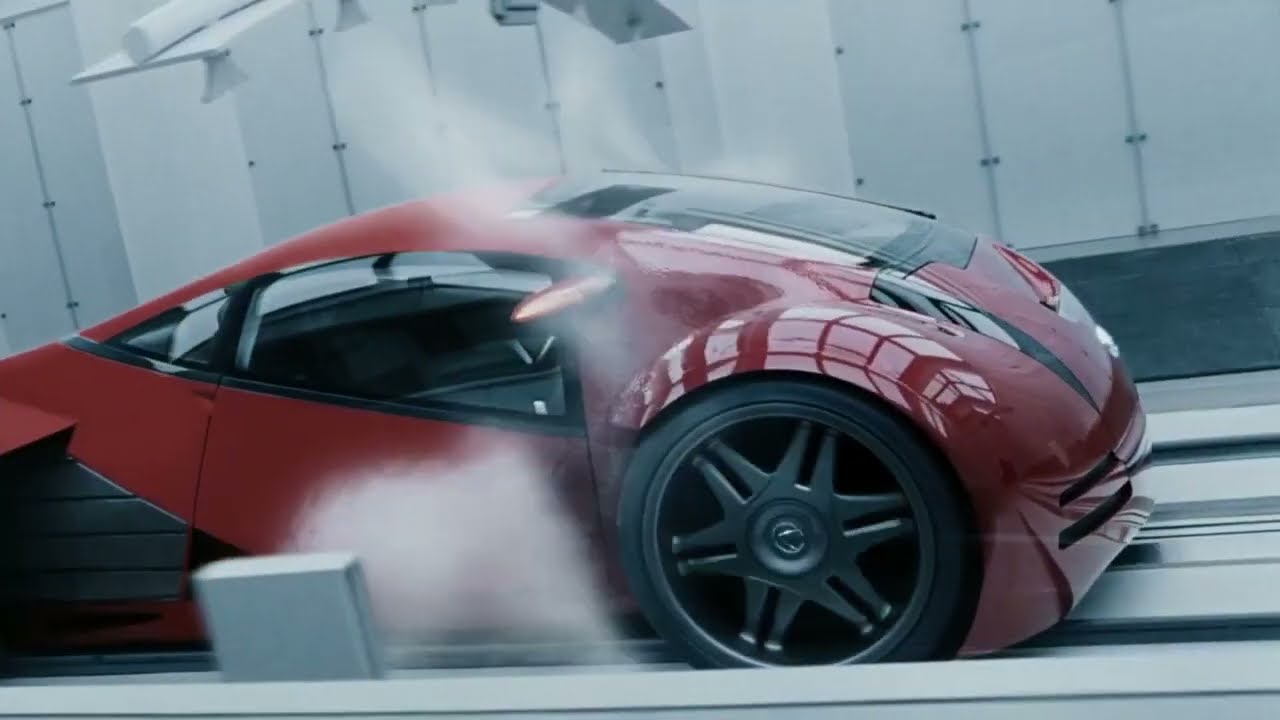
Gene led design engineering, physical development, and construction of the functional Lexus 2054 hero car. The film’s futuristic brief imagined hydrogen fuel cells; the driveable film car made that future tangible with battery electric hardware.
Design engineering lead · functional hero car
TERMINATOR 3 · BATTLESTAR GALACTICA
Gene built Terminator bodies for Terminator 3 and spacecraft for Battlestar Galactica, extending his screen work beyond automobiles into characters and vehicles designed to make imagined worlds physically believable.
Terminator bodies · spacecraft fabrication
TAXI
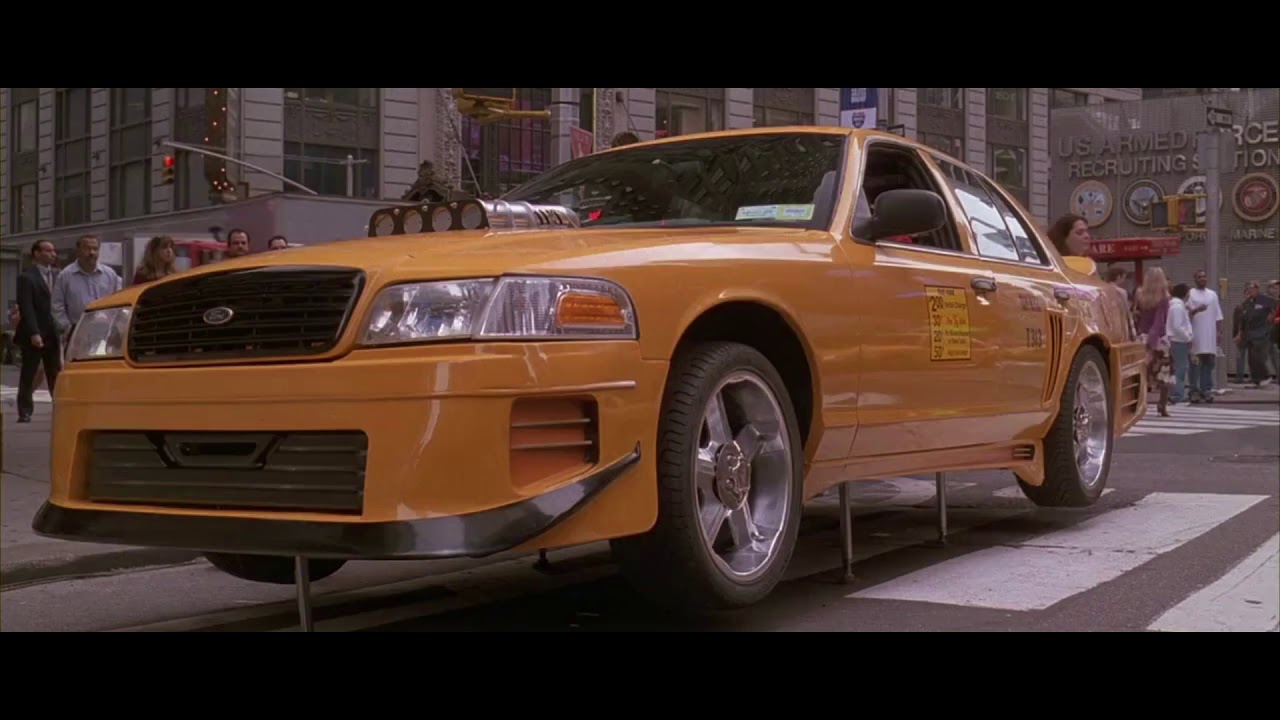
Gene’s build work spanned a fleet of six Ford Crown Victorias, each prepared for a different kind of shot, from detailed beauty work to stunt action. After production, one of the taxis took on a gentler assignment: picking up his children from school.
Six completed cars · family legend
THE 7-8-9
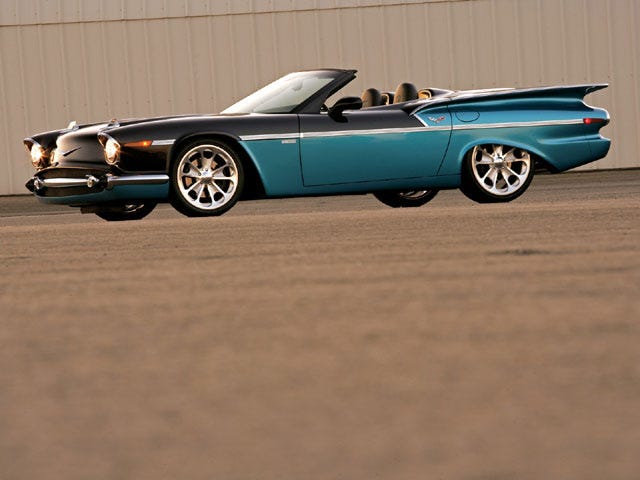
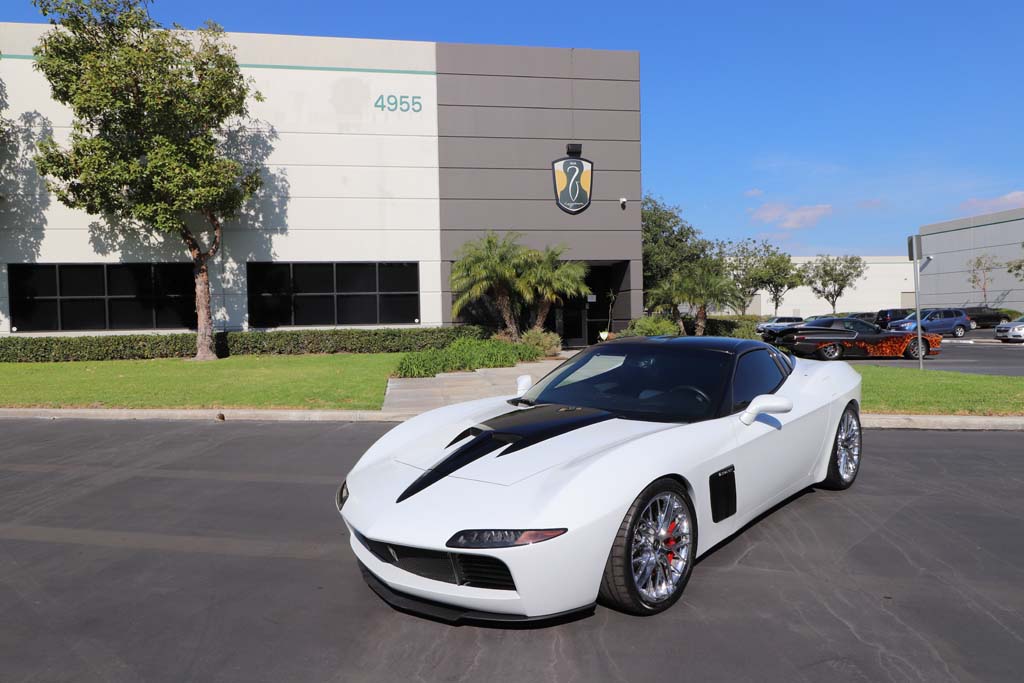
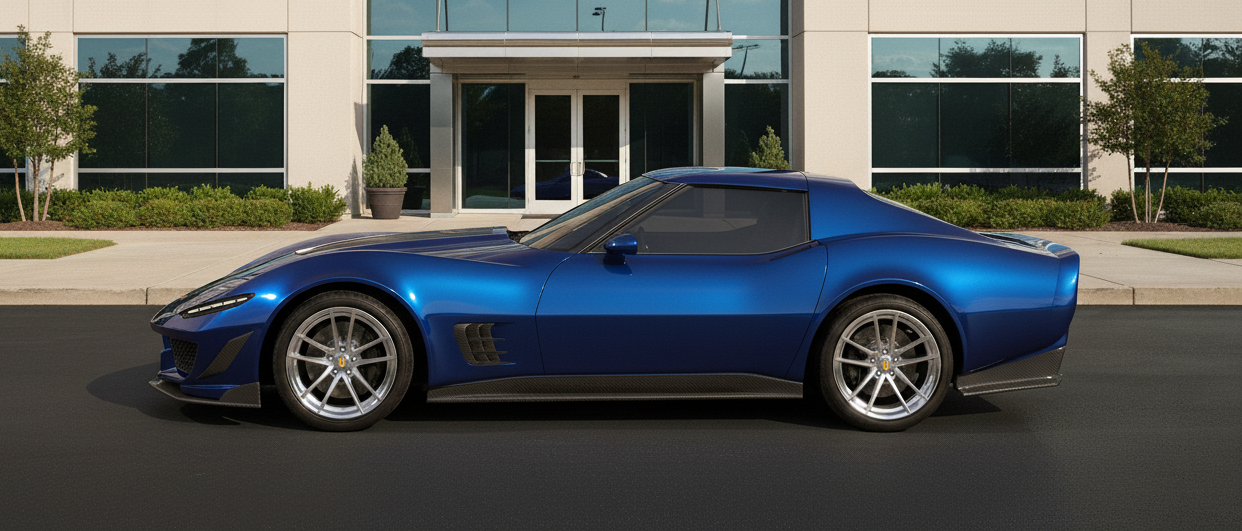
Under Gene’s program and engineering leadership, the 7-8-9 moved from Terrence Robinson’s exterior rendering to clay, scanning, tooling, carbon composite bodywork, and a completed coachbuilt car in roughly fourteen weeks. Versions were realized on C6 Corvette and Cadillac XLR architecture, and later on a sixth-generation Camaro convertible.
1957 + 1958 + 1959 · C6 · XLR · Camaro convertible
N2A MOTORS
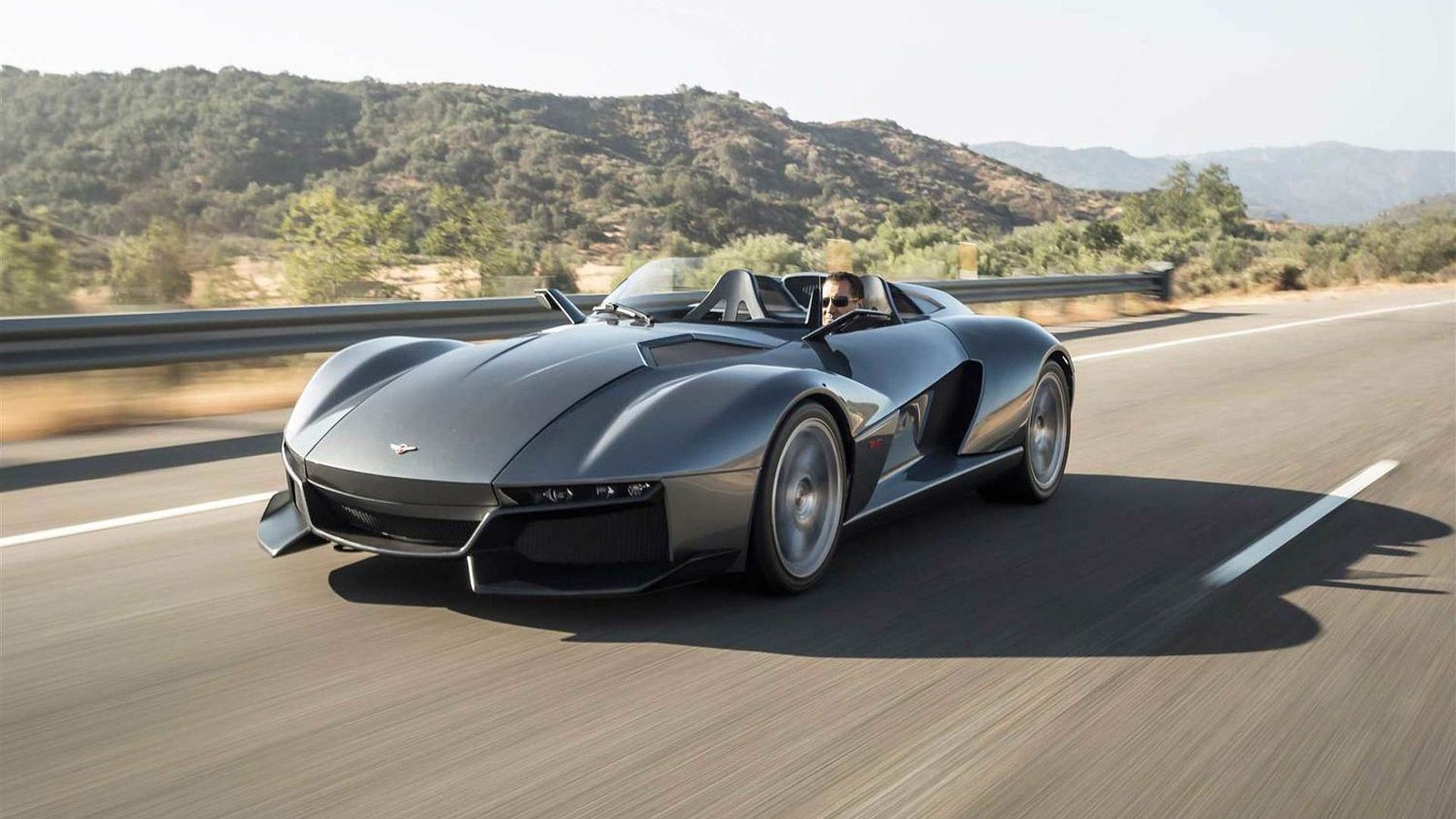
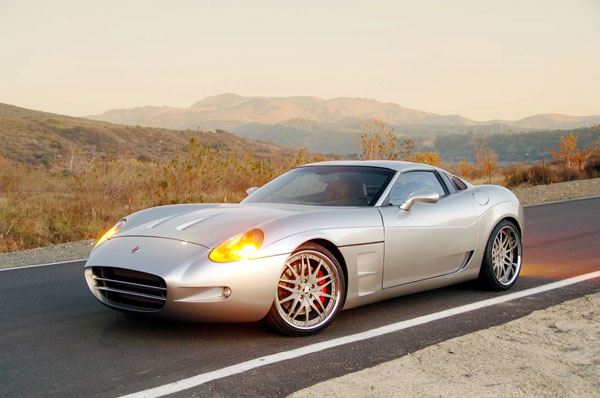
The Anteros, Stinger, Rezvani Beast manufacturing partnership, and Devilray established N2A as the rare shop able to carry a vehicle from surface development through tooling, composites, integration, and a customer’s garage.
Anteros · Stinger · Rezvani · Devilray
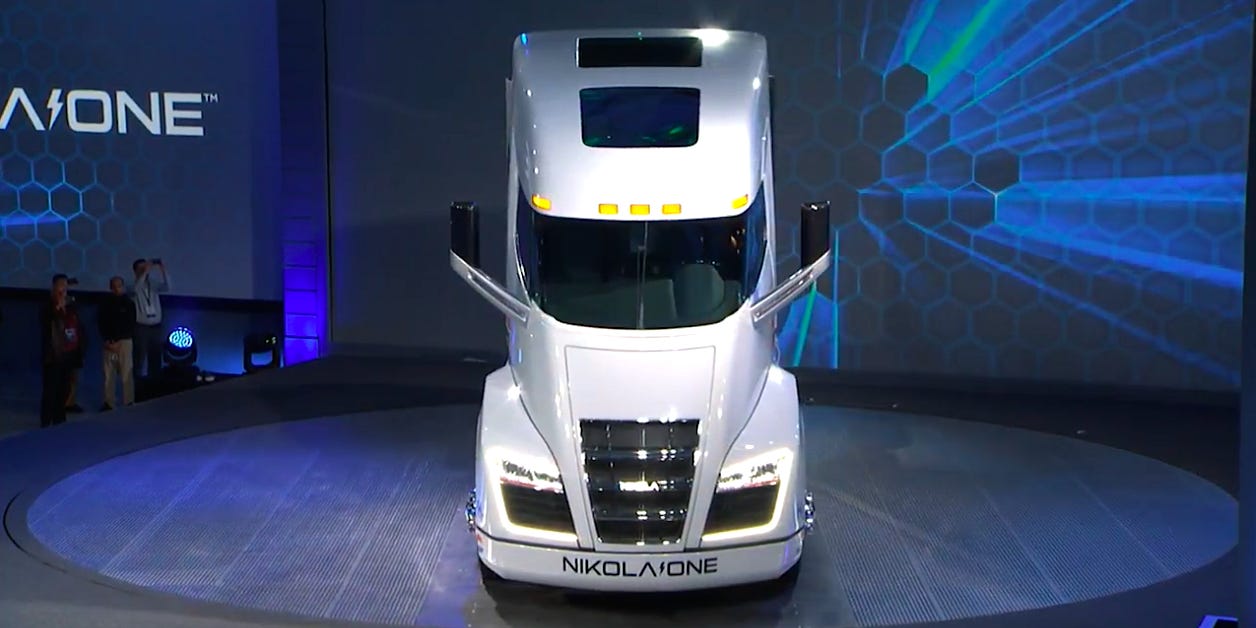
NIKOLA ONE
Gene and the N2A team built the Nikola One unveiling vehicle’s entire carbon fiber body, installed all of its glass, created and integrated every interior and exterior light, and produced all badging. They completed the full interior as well, including the dashboard, seats, bed, kitchenette, and carpeting. It was an extraordinary deadline build, distinct from the truck’s unfinished hydrogen powertrain.
Complete carbon fiber body · glass · lighting · badging · full interior
E-CITE MOTORS
As E-Cite Motors cofounder and chief operating officer, Gene continues the same pursuit: limited production automobiles that combine audacious form, modern engineering, and the discipline required to make them real.
Legacy in motion

NO 2 ALIKEThe signature machine
7-8-9
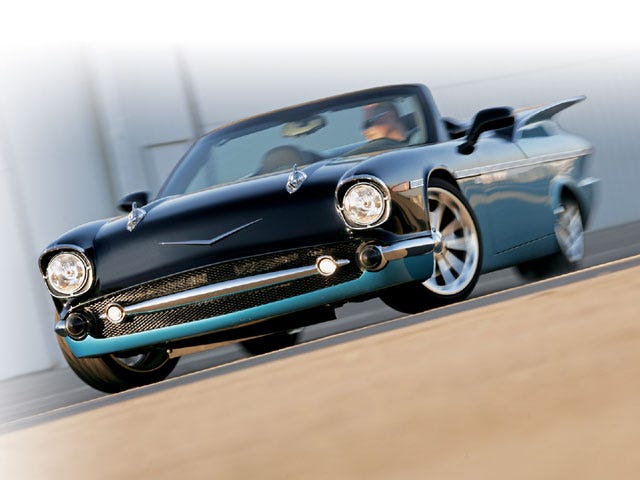
A ’57 face. A ’58 middle. The wings of a ’59. Underneath: the safety, performance, and reliability of modern American performance platforms.
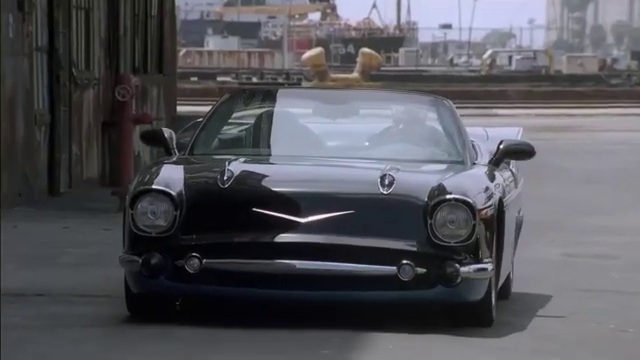
Gene led the program, engineering, development, and physical realization. The team moved through a clay model weighing 1,500 pounds, digital scanning, full scale masters, composite tooling, and production carbon composite bodywork. The 7-8-9 was built in C6 Corvette and Cadillac XLR configurations, then adapted to the sixth-generation Camaro convertible. It is Gene’s own road going statement from that same world class tradition.
▶ON SCREEN · CRASH AND BURNWatch the 7-8-9 star in the movie.Open Gene’s supplied film clip ↗Exterior concept rendering by Terrence Robinson. Program and engineering leadership by Gene Langmesser with Fred Kanter and the Kanter/N2A team.
The Langmesser method
Every celebrated vehicle is a chain of solved problems. Gene’s gift is seeing the whole chain, and knowing where it will break before it does.
Find the emotional center of the sketch, and the engineering risk hiding inside it.
Structure, occupants, suspension, powertrain, glass, electronics, and serviceability must coexist.
Clay and digital data turn proportion into something the eye and hand can judge.
Masters, molds, composite schedules, fixtures, and repeatable processes convert form into parts.
Fit, finish, integration, testing, and the final thousand decisions transform an object into a car.
“
The legend is not that Gene imagined extraordinary cars. It is that, again and again, he knew how to make them exist.
THE LANGMESSER ARCHIVE · FIRST EDITION
Built on evidence
This site is designed as a living record. Oral history supplies the human truth; drawings, photographs, build sheets, contracts, VINs, and colleague interviews preserve the engineering truth.
Project language distinguishes initial styling, design engineering, program leadership, and physical construction. Collaborative credits remain visible because they make Gene’s achievement more credible, not less. This private first edition site uses research imagery for historical identification; cleared archive masters should replace outside editorial frames before a final public campaign.